

How to Organize WordPress Media Library Without a Plugin: A Simple 2026 Guide
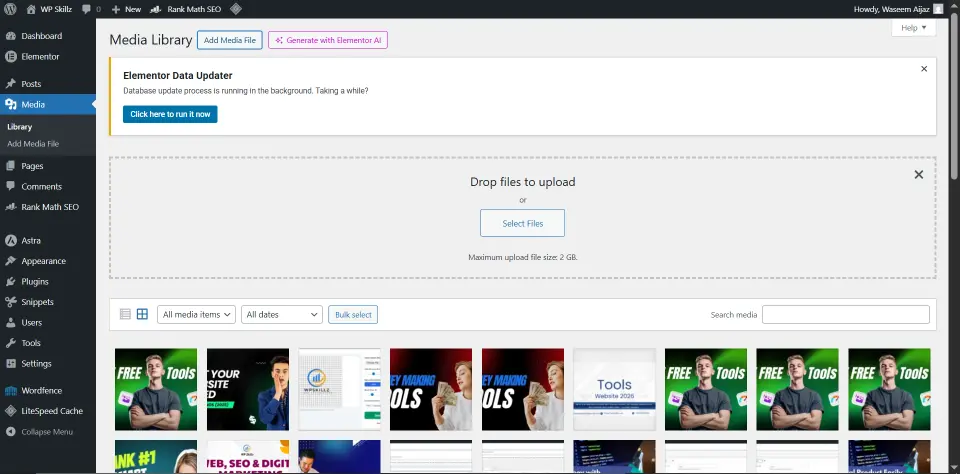
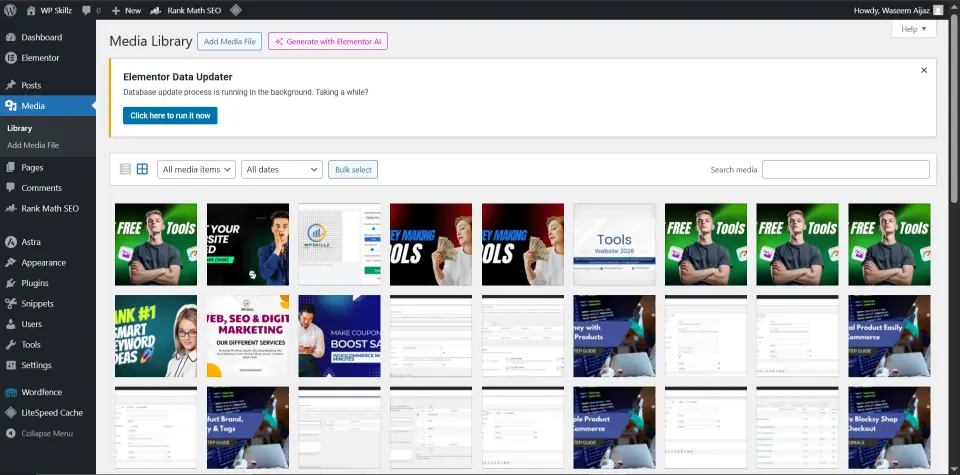
Let’s be honest—the WordPress media library can become a total mess very quickly. One day you have ten images, and the next year you have four thousand! Most people think the only solution is to install a heavy folder plugin. But every extra plugin slows down your best free WordPress themes 2025 download fast website performance.
I have spent years building websites, and I’ve come to realize that you don’t need fancy folders to stay organized. If you follow a simple system, you can keep your site lightning-fast and your files easy to find. Here is how to organize WordPress media library without a plugin like a professional.
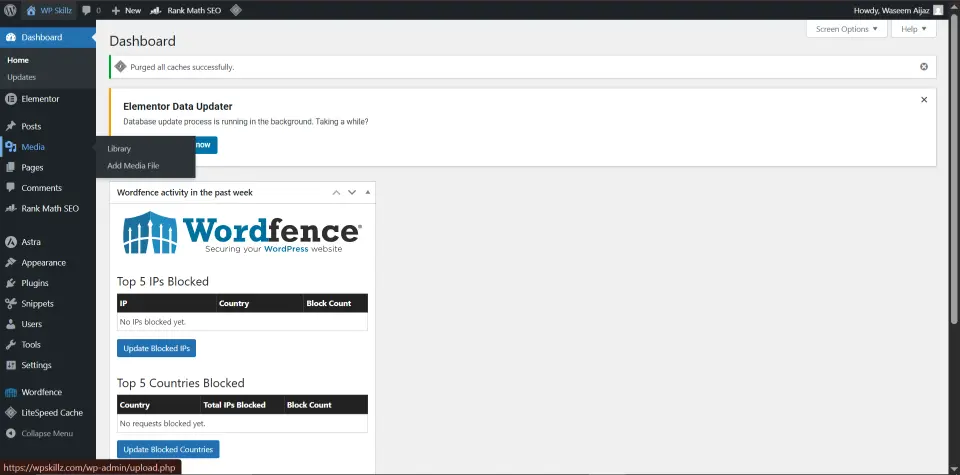
As you know, we are learning about the WordPress Media Library: what the WordPress Media Library is and how we upload images, and we have also provided you with tools. There are tools on this website. You will also find links through which you can convert your image to a WebP image and add it to the Media Library. In addition, you can also create a link to your image and remove the background of your image. You will find all these links in this set of articles.
1. Clean Your Images Before You Upload
The secret to a clean library starts outside of WordPress. If you upload huge, messy files, your library will always feel cluttered.
Use a Modern Image Converter
In 2026, Google loves the WebP format because it is tiny but looks great. Before you upload anything, use our Online-Image-Converter-to-WebP.
- Why it helps: By converting your files first, you save server space. This keeps your fast-loading WordPress themes running at top speed because the server doesn’t have to struggle with heavy files.
The Pro Naming Trick
Never upload a file named IMG_1234.jpg. Instead, use hyphens and keywords.
- Bad Name:
my-photo.jpg - Good Name:
modern-business-website-design-2026.webpWhen you use descriptive names, you can find any image in seconds just by using the default WordPress search bar.
2. Master the “No-Plugin” Organization Workflow
You don’t need a plugin to “categorize” your files if you use the built-in features correctly.
Use External Image Hosting for Large Files
If you have high-resolution images or documents that you don’t need to keep in your main library, don’t clutter your database. You can use our Upload-image-and-get-link-tool.
- How to use it: Upload your image there, get a direct link, and simply paste it into your post. This keeps your WordPress media library small and easy to manage, which is a great trick for professional-free-business-WordPress-themes-for-small-business.
Leverage Search Tags in Descriptions
WordPress doesn’t have folders, but it has a very smart search engine.
- Human Tip: When you upload an image, go to the “Description” box and type a few “tags” like
#BlogHeaderor#ClientName. Now, whenever you need a header image, just type#BlogHeaderin the search bar, and they will all appear!
3. Professional Maintenance Tools (The Secret Sauce)
To keep your site at a 100/100 speed score, you need to look “under the hood” occasionally. Here is the toolkit I use:
Audit Your Tech Stack
Wondering how the “big sites” stay so organized and fast? Use our Website-Technology-Detector. It will show you exactly what themes and hidden optimization scripts they are using. This helps you copy the success of SEO-friendly-WordPress-themes without guessing.
Keep the Database “Silent” and Fast
Every time you upload or delete an image, your database gets a bit “dusty” with old info.
- The Fix: Follow our Advanced-Database-Cleaner-Tutorial. This is better than a media plugin because it actually cleans the “trash” that makes your admin panel slow.
- Automation: Pair this with our WP-Optimize-Tutorial to make sure your best-free-WordPress-themes-2025-download stay as fast as the day you installed them.
Scan for Hidden Dangers
Hackers sometimes hide bad code in image files. Since we are organizing manually, we need to be safe. Run a quick scan with our Website-Malware-Scanner once a month. It’s a simple way to protect your professional brand.
Comparison: Why “No Plugin” is Better for 2026
| Feature | Manual Method (The Pro Way) | Plugin Method (The Easy Way) |
| Site Speed | Perfect (No extra code) | Can be slow (Extra scripts) |
| Database Size | Small and clean | Large (Plugin logs data) |
| Searchability | Fast (Uses filenames) | Slow (Uses custom database) |
| Best Tool | Online Image Converter | Folder Plugins |
FAQs: Real Questions from Real Users
Q1: Will my images be safe without a folder plugin?
Yes! In fact, your images are safer. If a folder plugin breaks or stops being updated, you might lose your organization. With the manual naming method, your organization is built into the filenames themselves.
Q2: How do I handle 5,000 images manually?
Use the Internal-Link-Juicer-Guide strategy. By naming your files properly and using our Image-Hosting-Tool, you reduce the number of files you actually need to manage in your library.
Q3: Does converting to WebP really matter for SEO?
Yes, it does! Google loves fast sites. Our Image-Converter makes your files 30-80% smaller, which is one of the biggest SEO wins you can get in 2026.
Final Word
Organizing your WordPress media library without a plugin isn’t just about saving space—it’s about being a smarter website owner. By using simple naming habits, converting your files with our Image Converter, and keeping your database clean, you can have a world-class website that never slows down.